







E20 Fuel Row: What Carmakers' Internal Concerns Mean for Indian Drivers
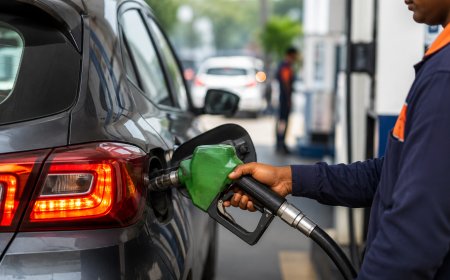
Indian automakers had raised concerns about contamination in E20 petrol, according to internal communications reviewed by Reuters. Here's what the latest development means for drivers and the auto industry.

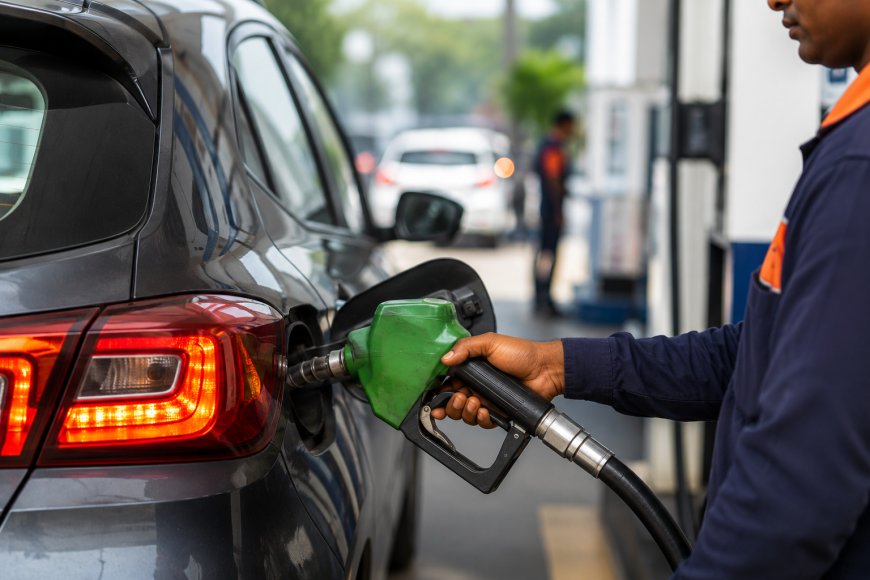
India's E20 fuel debate has taken another turn.
Internal communications reviewed by Reuters show that major Indian automakers had raised concerns about contamination in petrol blended with 20% ethanol, even as the industry later withdrew a formal complaint and public assurances continued that E20 fuel is safe.
The issue is important because it is not simply about ethanol anymore. It raises questions about fuel quality, storage, vehicle compatibility and who should be responsible when problems occur.
What Did Carmakers Find?
According to Reuters, automakers including Maruti Suzuki, Tata Motors and Mahindra discussed concerns about contamination in E20 fuel.
More than 250 fuel samples from 18 states were found to have high levels of chloride and moisture, according to the internal data reviewed by Reuters.
These contaminants can potentially affect vehicle components and fuel systems.
But it is important to separate this issue from another part of the E20 debate.
The latest concerns are about fuel contamination, not proof that ethanol itself is causing engine failures.
Why Did the Industry Withdraw Its Complaint?
The Society of Indian Automobile Manufacturers, or SIAM, had raised the contamination issue with the government.
The industry body later withdrew the letter, saying that some of the figures required further verification.
That withdrawal created more questions because the internal discussions reviewed by Reuters showed that automakers had been taking the contamination issue seriously.
Mahindra has since said that interpretations of the internal discussions were inaccurate, while Maruti Suzuki and Tata Motors declined to comment to Reuters.
Why Does Fuel Contamination Matter?
E20 fuel contains 20% ethanol and 80% petrol.
Ethanol can absorb moisture, which makes storage and handling an important part of maintaining fuel quality.
If contamination occurs during storage or transportation, the issue can become different from the question of whether a vehicle is designed to run on E20.
That distinction is important for consumers.
A vehicle can be compatible with E20 fuel while the quality of the fuel itself can still become a concern.
What Does This Mean for Car Owners?
For drivers, the latest development creates more uncertainty rather than an immediate reason to panic.
Vehicle compatibility still depends on the model and its specifications.
Older vehicles may also have different requirements compared with newer models designed for higher ethanol blends.
The more immediate question is whether fuel stations are consistently maintaining the required standards for E20 storage and handling.
Why Is the Government Supporting E20?
India has pushed ethanol blending as part of its strategy to reduce dependence on imported crude oil and increase the use of domestically produced ethanol.
The policy has also been linked to lower emissions and greater demand for agricultural products used to produce ethanol.
That makes E20 an important part of India's broader energy policy.
But as the programme expands, fuel quality and infrastructure will become just as important as the blending target itself.
The Bigger Business Question
The E20 debate affects more than drivers.
Automakers have to design vehicles around changing fuel standards.
Oil companies have to store and distribute blended fuel safely.
Fuel stations have to maintain the right infrastructure.
And consumers ultimately have to trust that the fuel being sold meets the required standards.
That makes the latest controversy a business and policy issue, not just an automobile story.
BizGossips Take
The E20 debate is becoming less about whether India should use ethanol and more about how the transition is managed.
India has a clear reason for pushing ethanol blending, but that does not remove the need for reliable fuel quality, transparent testing and clear responsibility when problems are reported.
The policy may be about ethanol. The bigger issue for consumers is trust in the fuel they are buying.
What's Your Reaction?
 Like
0
Like
0
 Dislike
0
Dislike
0
 Love
0
Love
0
 Funny
0
Funny
0
 Angry
0
Angry
0
 Sad
0
Sad
0
 Wow
0
Wow
0