

























































Donald Trump Urges Apple to Halt iPhone Manufacturing in India
Former President Donald Trump advises Apple CEO Tim Cook against producing iPhones in India, emphasizing the need for domestic manufacturing to boost the U.S. economy.

Donald Trump Urges Tim Cook Not to Manufacture iPhones in India: A Call for American-Made Tech
Trump’s Latest Statement Sparks Global Attention
Former U.S. President Donald Trump is once again making headlines—this time for urging Apple CEO Tim Cook not to manufacture iPhones in India. In a recent post on Truth Social, Trump emphasized his belief that iPhones should be “Made in the USA” and criticized Apple’s ongoing efforts to expand production operations in countries like India and China.
Trump’s statement, which comes amid a broader political discourse about reshoring manufacturing jobs, has reignited debates around globalization, American industry, and the future of tech manufacturing.
The Context: Apple’s Strategic Move Toward India
Apple has been steadily shifting its manufacturing operations to India over the past few years, particularly under its partnership with Foxconn and other suppliers. The decision stems from both strategic and geopolitical reasons—including lowering dependency on China, cutting costs, and taking advantage of India's growing manufacturing ecosystem.
India has been positioning itself as a viable alternative to China with incentives under the Production-Linked Incentive (PLI) scheme. Apple has already started producing iPhones in Tamil Nadu and other regions, with reports suggesting that as much as 25% of future iPhones may be made in India by 2025.
This shift is seen as a smart diversification move by many economists, but not everyone is applauding.
Trump’s Argument: Bring Jobs Back to America
Trump’s comments reflect his longstanding “America First” manufacturing agenda. In his Truth Social post, he urged Apple to stop manufacturing iPhones abroad and return production to the U.S. He argued that outsourcing tech jobs hurts American workers and undermines national economic strength.
“Tim Cook should make iPhones in the U.S., not China or India. American products should be made in America,” Trump wrote.
This is not the first time Trump has targeted tech companies over overseas production. During his presidency, he often pressured corporations like Apple, GM, and Carrier to invest more domestically. While his administration did push some companies to increase U.S. operations, global supply chain economics remained largely unchanged.
Reactions from the Tech and Business Communities
Trump’s comments have elicited mixed reactions. Supporters of domestic manufacturing applaud the sentiment, citing the importance of reviving U.S. industry and creating jobs. However, critics point out that high labor costs, logistical challenges, and lack of infrastructure make large-scale iPhone production in the U.S. highly impractical.
Apple has remained silent on Trump’s latest statement, maintaining its focus on global supply chain optimization. Industry analysts believe the tech giant will continue expanding in India, as it offers both scalability and a large consumer base for growth.
Why Manufacturing iPhones in the U.S. Isn’t Easy
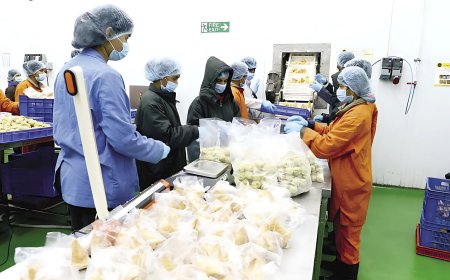
Manufacturing iPhones involves a complex global network of suppliers, with hundreds of components sourced from multiple countries. China and India offer not only cheaper labor but also supply chain clusters, skilled labor in electronics, and government incentives.
Recreating this ecosystem in the U.S. would require massive investment, time, and a structural shift in American industrial policy. While companies like Intel and TSMC are planning U.S.-based chip facilities, mass production of devices like iPhones would demand unprecedented logistical support.
India’s Role in Apple’s Global Strategy
India has been a rising star in Apple’s global game plan. With its large talent pool, competitive manufacturing costs, and growing middle-class consumer base, India offers a unique combination of advantages. Apple has opened retail stores in Mumbai and Delhi and continues to ramp up its India footprint, both in terms of manufacturing and sales.
As tensions between the U.S. and China grow, India stands to benefit from companies looking to diversify. Whether Trump likes it or not, the shift seems inevitable.
The Bigger Picture: Globalization vs Nationalism
Trump’s comments highlight a deeper ideological battle between globalization and economic nationalism. While companies like Apple operate on global efficiencies, political figures like Trump prioritize domestic job creation and industrial independence.
The reality lies somewhere in the middle. Complete reshoring may be unrealistic, but strategic investments in domestic tech infrastructure could help bridge the gap. Meanwhile, India and other nations will continue to capitalize on global trade dynamics and production outsourcing.
What's Your Reaction?
 Like
0
Like
0
 Dislike
0
Dislike
0
 Love
0
Love
0
 Funny
0
Funny
0
 Angry
0
Angry
0
 Sad
0
Sad
0
 Wow
0
Wow
0