


































































The Rise and Fall of Videocon: A Cautionary Tale of One of India’s Biggest Brands
Discover the story of Videocon – from its rise as a top Indian electronics brand to its dramatic fall due to debt, mismanagement, and failed diversification. A must-read for entrepreneurs and business learners.
The Foundation: A Homegrown Success Story
Videocon was established in 1985 by Venugopal Dhoot in Aurangabad, Maharashtra. The company began with the manufacture of color televisions at a time when television was becoming a staple in Indian homes. Videocon's commitment to affordability and quality helped it quickly earn the trust of Indian consumers.
The timing of the launch was crucial. In the mid-1980s, India’s economy was slowly opening up, and there was a growing demand for electronic appliances. Videocon seized the opportunity and started to expand its product offerings beyond televisions. Within a few years, it introduced a wide range of home appliances such as washing machines, refrigerators, and air conditioners.
By the 1990s, Videocon had become one of India’s largest consumer electronics brands, known for its nationwide distribution, after-sales service network, and innovative marketing strategies.
The Expansion Years: Ambition Without Limits
With its domestic success firmly established, Videocon set its sights on international markets and industry diversification. During the late 1990s and early 2000s, the company began expanding into several new sectors. This included:
Oil and Gas Exploration: Videocon acquired stakes in international oil blocks in Brazil, Mozambique, and other countries, aiming to become a global energy player.
Telecom Sector: Videocon entered the mobile services market with Videocon Telecom and also launched a mobile handset division.
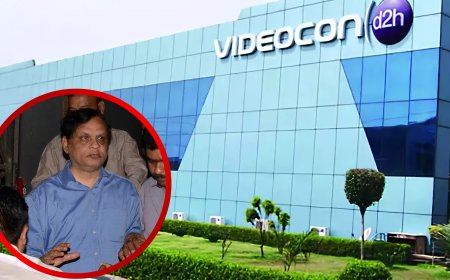
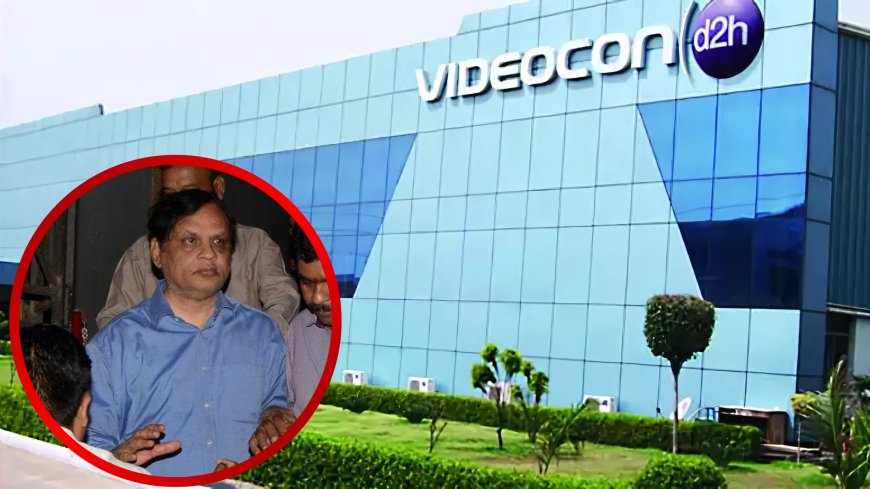
DTH (Direct-to-Home) Services: It ventured into satellite television broadcasting with Videocon d2h.
Retail and Real Estate: The company even tried its hand in real estate and retail projects in India.
At one point, Videocon had operations in over 60 countries and was considered a global Indian brand. The company was seen as a success story in India’s liberalized economy—an example of a family-run business that had managed to grow into a corporate powerhouse.
The Turning Point: Strategic Mistakes and Mounting Pressures
Despite its aggressive expansion, Videocon failed to develop a cohesive long-term strategy. The diversification into oil, telecom, and other unrelated sectors resulted in a lack of focus on its core strength—consumer electronics.
The telecom sector proved to be particularly damaging. Videocon spent large sums acquiring spectrum licenses during the 2G allocation, but the company failed to gain significant market share. Furthermore, it became entangled in the 2G spectrum scam—one of the biggest corruption scandals in Indian history—leading to reputational damage and increased regulatory scrutiny.
The oil and gas ventures, though ambitious, did not yield the expected returns. Exploration and production delays, falling global crude prices, and rising investment costs left the company heavily indebted.
Additionally, Videocon was slow to adopt new technologies. While global competitors like Samsung, LG, and Sony moved toward flat-screen televisions, smart appliances, and sleek designs, Videocon continued producing older models for too long. The lack of innovation led to declining sales and market share.
The Financial Crisis: Debt and Default
By the mid-2010s, Videocon's financial health had deteriorated significantly. The company had borrowed heavily to fund its expansions, and with revenues falling across sectors, it found itself unable to repay its loans.
At its peak, Videocon had over Rs. 90,000 crore in outstanding debt. Banks began flagging the company as a non-performing asset, and in 2018, Videocon Industries was admitted for bankruptcy under the Insolvency and Bankruptcy Code (IBC).
The legal troubles compounded when investigations revealed questionable loan practices involving ICICI Bank. It was alleged that Venugopal Dhoot had extended loans to companies linked to the then-CEO of ICICI Bank, Chanda Kochhar, under circumstances that raised concerns of conflict of interest and corruption. These allegations led to multiple investigations and arrests.
The End of an Era: Disintegration and Asset Sales
In 2021, the bankruptcy process led to the sale of Videocon’s assets to repay creditors. Vedanta Group acquired its oil and gas assets, and the DTH arm was merged with Dish TV. The once-thriving electronics and telecom businesses were either shut down or sold.
By then, Videocon was no longer a name that inspired confidence or admiration. What remained was a reminder of what can happen when a company grows without direction, borrows beyond its capacity, and fails to evolve with changing times.
Key Lessons from Videocon’s Fall
The fall of Videocon holds several powerful lessons for entrepreneurs and business leaders:
1. Focus is Crucial
Diversification can be a strength, but only when backed by a clear strategy and domain expertise. Venturing into unfamiliar industries without proper planning can quickly become a liability.
2. Innovation Must Be Continuous
In sectors like consumer electronics and telecom, staying ahead of technology trends is critical. Failure to innovate is equivalent to signing a death warrant in today’s fast-moving markets.
3. Debt Management is Vital
While taking loans for growth is common in business, excessive debt without sustainable revenue generation can cripple an organization. Financial discipline must be a top priority.
4. Ethical Governance is Non-Negotiable
A company’s credibility is built on trust. Any involvement in fraud, corruption, or regulatory violations can destroy decades of goodwill overnight.
5. Leadership Defines Legacy
Leadership should be agile, visionary, and transparent. The ability to take tough decisions, admit mistakes, and pivot when necessary is what separates enduring businesses from failed ones.
Conclusion
Videocon’s journey from being a market leader to a bankrupt entity is not just a tale of business failure—it is a lesson in ambition without foresight. It reminds us that no brand is immune to decline, no matter how powerful it once was.
For entrepreneurs, Videocon serves as a case study in strategy, governance, innovation, and humility. It tells us that success needs to be managed as carefully as failure, and that growing too fast, too wide, and too recklessly can undo even the most iconic of brands.
What's Your Reaction?
 Like
3
Like
3
 Dislike
0
Dislike
0
 Love
0
Love
0
 Funny
0
Funny
0
 Angry
0
Angry
0
 Sad
0
Sad
0
 Wow
0
Wow
0