



































































How Nigerian and Kenyan Farmers Can Power the Future of Rural Mini Grids
Discover how connecting rural agribusinesses in Nigeria and Kenya to renewable energy mini grids can make electrification projects more viable, profitable, and sustainable.
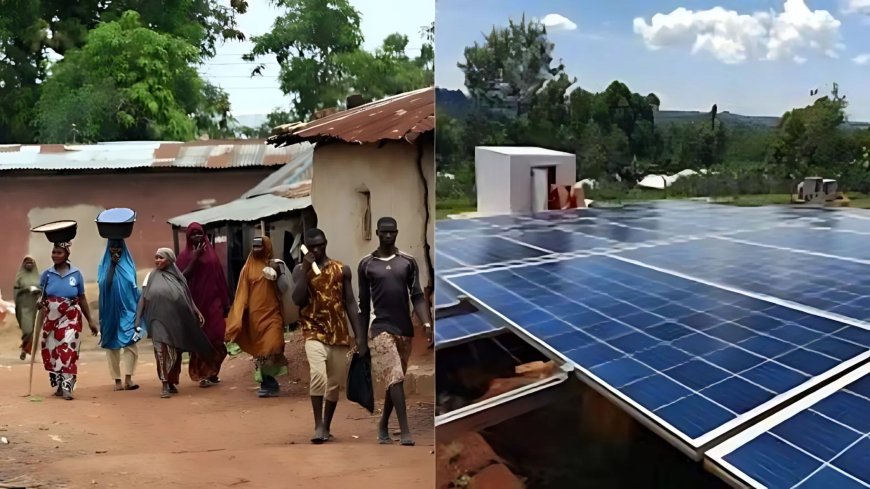
How Nigerian and Kenyan Farmers Could Help Make Rural Mini Grids Profitable and Sustainable
Introduction
In rural parts of Nigeria and Kenya, access to reliable electricity remains a significant challenge. Despite being the largest and fastest-growing economies in Africa, both countries have millions of people living off-grid—particularly smallholder farmers and agribusinesses. These rural communities still rely heavily on costly, polluting petrol or diesel generators to power their homes and businesses.
Recent research by experts including Temilade Sesan and Lucy Baker explores a promising solution: using renewable energy-powered mini grids to electrify rural agribusinesses. The goal? To make mini grids both commercially viable for developers and affordable for farmers—while also serving the broader rural population.
The Energy Challenge in Rural Agriculture
Agriculture is a major economic activity in both Nigeria and Kenya. Yet, many small and medium-sized farms and grain mills are not connected to national power grids. These businesses often operate inefficiently due to unreliable or expensive energy sources, limiting their productivity and profitability.
For example:
-
Diesel generators are costly to maintain and operate.
-
Fuel supply chains are unreliable in remote areas.
-
Power outages can lead to spoiled crops or halted production.
-
Carbon emissions from generators contribute to environmental degradation.
This energy deficit stunts rural economic growth and widens the rural-urban development gap.
Why Mini Grids?
Mini grids are small-scale electricity networks that can operate independently of the national grid. When powered by solar, wind, or hydroelectricity, they offer a clean and cost-effective alternative to fossil fuels. But despite their potential, rural mini grids often struggle to turn a profit. That’s largely because:
-
Most rural customers are low-income households with minimal electricity demand.
-
There’s a lack of "anchor customers"—large, consistent users of electricity who can provide steady revenue.
This is where agribusinesses—like irrigation pumps, grain mills, and cold storage facilities—can play a crucial role.
Farmers as Anchor Customers
The research suggests that targeting rural agribusinesses as primary clients could transform mini grid economics. Here’s how:
1. Higher and Predictable Demand
Agricultural processing and irrigation require consistent, high-energy use. This makes them ideal anchor customers, helping mini grid developers recover costs more quickly.
2. Daytime Energy Use
Agricultural activities often take place during the day, aligning well with solar power generation, reducing the need for expensive battery storage.
3. Community Spillover
Once anchor loads are secured, the mini grid can afford to supply power to surrounding households at affordable rates—enabling broader electrification.
Enabling Factors for Success
To make this model work, a few conditions need to be met:
-
Financing Support: Governments and donors can offer subsidies or concessional loans to mini grid developers.
-
Productive Use Equipment: Farmers need access to electric equipment—such as water pumps, mills, and cold rooms—that’s compatible with mini grid capacity.
-
Training and Awareness: Educating farmers on the long-term savings and benefits of switching from diesel to electricity is crucial.
-
Policy Incentives: Regulatory frameworks must support private sector investment in mini grids and protect rural consumers.
Real-World Examples
Some pilot projects already showcase the benefits:
-
In Nigeria, the Nigeria Electrification Project (NEP), supported by the World Bank, includes incentives for mini grid developers to serve productive users.
-
In Kenya, companies like PowerGen and CrossBoundary Energy Access are experimenting with mixed-use mini grids serving farms and households.
Conclusion: A Win-Win-Win
This research underlines a triple-win opportunity:
-
Farmers get clean, reliable, and affordable power to improve productivity.
-
Mini grid developers gain a financially viable business model.
-
Rural communities benefit from broader electrification and economic growth.
By focusing on rural agribusinesses, Nigeria and Kenya can set a precedent for the rest of Sub-Saharan Africa: showing that green energy and rural development don’t have to be mutually exclusive—they can go hand in hand.
What's Your Reaction?
 Like
2
Like
2
 Dislike
0
Dislike
0
 Love
0
Love
0
 Funny
0
Funny
0
 Angry
0
Angry
0
 Sad
0
Sad
0
 Wow
0
Wow
0