



























































India-UK Free Trade Agreement: Key Benefits, Impact & Insights
Explore the India-UK Free Trade Agreement, its economic impact, key sectors affected, and how it shapes future trade between two major global economies.
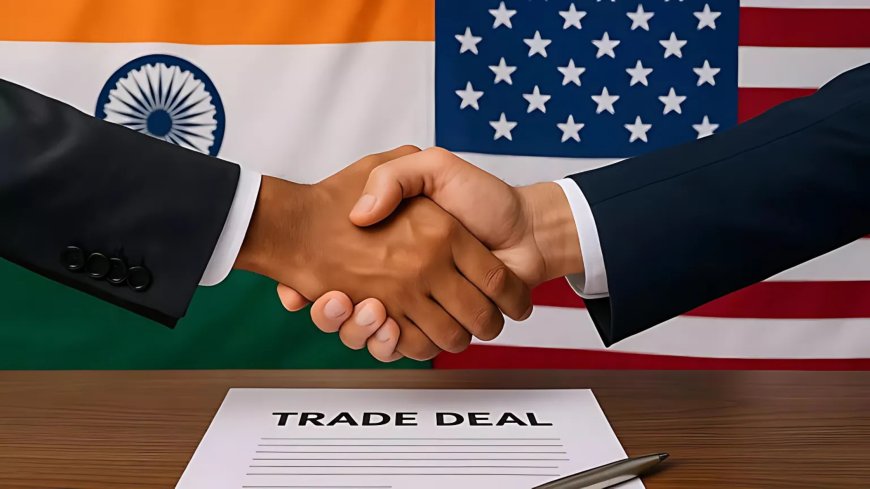
India-UK Free Trade Agreement: A New Era of Economic Collaboration
The India-UK Free Trade Agreement (FTA) is poised to reshape the trade dynamics between two powerful and historically linked economies. As negotiations near completion, this landmark deal represents a strategic effort to strengthen bilateral relations and unlock fresh economic opportunities for both nations. It’s not just about reducing tariffs—it’s about creating a robust partnership that aligns with global trade goals and national priorities.
India and the UK have long shared a dynamic trade relationship, one that spans across centuries. Today, that bond is evolving into something far more strategic. With bilateral trade already valued at over £36 billion annually, the FTA aims to accelerate growth by making it easier for companies to export goods and services, invest across borders, and share technology. It's a high-stakes move with massive implications for industries, investors, and everyday consumers in both countries.
At the core of the agreement is the promise of economic liberalization. The UK, especially after Brexit, is looking to strike meaningful trade deals to replace its former EU trade networks. For India, this is a chance to tap into one of the world’s most sophisticated markets while reinforcing its position as a global manufacturing and service powerhouse. It's a win-win if executed well.
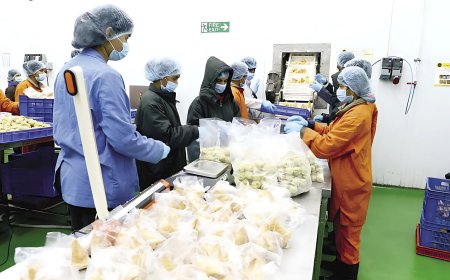
A significant part of the deal focuses on reducing tariffs and simplifying customs processes. Indian exporters of textiles, jewelry, and pharmaceuticals—some of the country’s top-performing sectors—stand to gain immensely from better access to the UK market. At the same time, British companies specializing in high-end machinery, legal services, and education will benefit from fewer barriers when operating in India.
The IT sector is particularly excited. India’s tech giants like Infosys and TCS already maintain a solid presence in the UK. The FTA could make it easier for Indian professionals to work in Britain, especially in areas like fintech, cybersecurity, and cloud computing. Additionally, both countries have agreed to discuss digital trade rules that can help secure data flows and intellectual property rights, critical for today’s digital economy.
Another big winner? The automotive sector. India has been pushing to grow its electric vehicle (EV) and auto components industry. The UK, with its rich history in automotive engineering, sees this deal as a gateway to collaborate on clean tech and sustainable mobility solutions. Joint ventures and co-manufacturing possibilities are now more achievable than ever.
Startups and MSMEs (Micro, Small, and Medium Enterprises) are expected to thrive under this deal. With enhanced access to a new customer base and streamlined processes, smaller businesses in both nations could scale faster. For Indian startups, especially those in health tech, edtech, and consumer goods, the UK offers a mature market with excellent infrastructure and a diverse consumer base.
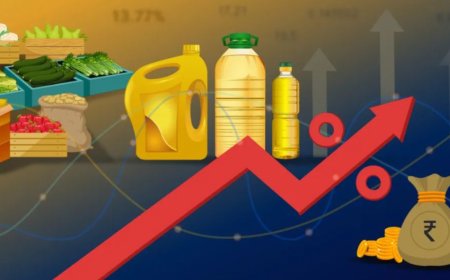
Critics, however, have raised some valid concerns. There’s the fear that domestic industries in both countries may be undercut by cheaper imports. Indian farmers, for instance, worry about competition from UK agricultural products. Likewise, some British manufacturers are cautious about the influx of lower-cost Indian goods. Labour rights and environmental protections have also been hotly debated during the negotiations, with both sides agreeing to include sustainable practices as part of the agreement.
In the grander geopolitical picture, this deal sends a strong message. India is actively positioning itself as a global trade leader, while the UK is proving its post-Brexit resilience by forging independent and meaningful economic relationships. This FTA serves not only economic interests but also strengthens strategic cooperation in areas like defense, cybersecurity, and climate change.
One of the most significant human aspects of this deal lies in migration and mobility. Indian students, professionals, and skilled workers are likely to benefit from relaxed visa rules and mutual recognition of qualifications. This could pave the way for more educational exchanges, employment opportunities, and cross-cultural collaboration.
Both sides have much to gain, but the success of the India-UK Free Trade Agreement will ultimately depend on how well it’s implemented. If both governments can provide the necessary support to businesses, protect vulnerable sectors, and ensure compliance with ethical standards, this FTA could serve as a blueprint for future trade deals around the world.
What's Your Reaction?
 Like
0
Like
0
 Dislike
0
Dislike
0
 Love
0
Love
0
 Funny
0
Funny
0
 Angry
0
Angry
0
 Sad
0
Sad
0
 Wow
0
Wow
0