










































India-U.S. Trade Deal Nears Final Stage | Key Highlights & Impact
U.S. Commerce Secretary Howard Lutnick confirms India-U.S. trade deal could be finalized soon. Details on tariff talks, defense, agriculture, and digital trade included.
🇮🇳🇺🇸 India-U.S. Trade Deal on the Way: Commerce Secretary Howard Lutnick Signals Breakthrough
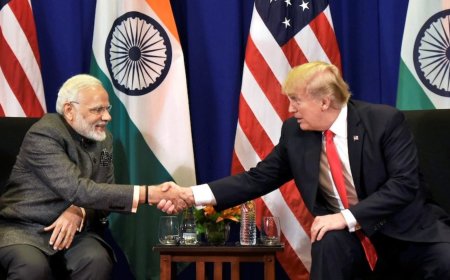
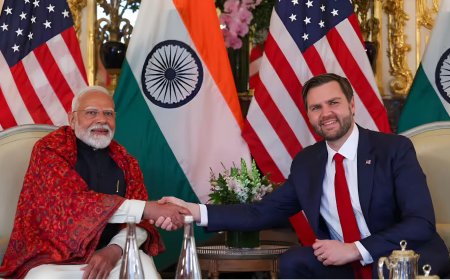
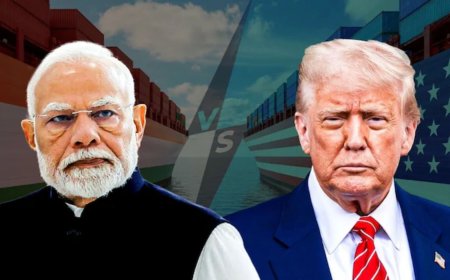
In what could mark a defining moment in global trade relations, U.S. Commerce Secretary Howard Lutnick has declared that a comprehensive India-U.S. trade agreement may be finalized in the “not too distant future.” This optimistic update came during his recent remarks at the U.S.-India Strategic Partnership Forum, a platform that regularly brings together key policymakers and industry leaders from both nations.
This deal, once signed, is expected to not only redefine bilateral trade between two of the world’s largest democracies but also open up vast new opportunities in defense, agriculture, technology, and services.
📈 Why This Trade Deal Matters
Trade relations between India and the U.S. have seen tremendous growth over the past decade. In 2023, bilateral trade crossed the $191 billion mark, making the U.S. one of India’s largest trading partners.
But this new agreement aims to go beyond numbers—it is about modernizing trade frameworks, encouraging private investment, securing supply chains, and boosting innovation between two economic powerhouses.
What’s on the Table?
According to Lutnick, this deal is intended to be “broad, not narrow.” Here’s what that means in practice:
1. Tariff Reductions
One of the biggest hurdles in U.S.-India trade has been India’s high tariffs. From agricultural products to electronics and defense items, U.S. exporters have faced significant barriers. The U.S. is urging India to lower tariffs to improve market access and level the playing field.
2. Defense Cooperation
The U.S. is also advocating for India to reduce its dependence on Russian defense imports. In return, the U.S. is offering to expand its defense tech and manufacturing partnerships, which could involve joint ventures and co-development of military hardware.
3. Easing Agricultural Restrictions
Agriculture remains a contentious point. While the U.S. wants India to open its markets to more American agricultural goods, India is seeking safeguards to protect its small farmers. Negotiators are working on middle-ground solutions.
4. Digital Trade and E-Commerce
Data localization laws, digital taxation, and cross-border data flow regulations are part of the ongoing discussions. With India’s booming digital economy and U.S. dominance in tech, this is a key area of mutual interest.
🗣️ What Officials Are Saying
Howard Lutnick wasn’t alone in his optimism. U.S. Ambassador to India Eric Garcetti recently stated that “no sector is off the table.” This signals the wide scope of the deal, covering everything from pharmaceuticals and energy to clean tech and education services.
He emphasized:
“It’s time to do something big, something grand, something that connects India and the United States together.”
Indian officials have also expressed a strong willingness to move forward, especially given the current global push for resilient supply chains and diversified economic alliances.
What’s Next?
🔹 Upcoming Negotiations:
Delegations from both nations are expected to meet in New Delhi on June 5-6 to finalize key components of the agreement. Negotiators have reportedly set a deadline of July 9, aiming to sign the deal before the next U.S.-India commercial dialogue round.
🔹 Business Sector's Role:
Private industry leaders from both sides are playing a supportive role, providing input on how the deal can be mutually beneficial. American tech giants and Indian manufacturers are especially active in influencing the digital and services trade chapters.
Strategic Significance
This deal goes beyond trade. It strengthens the Indo-Pacific alliance, provides an alternative to China-dominated supply chains, and brings two democratic powers closer in fields like:
-
Green energy innovation
-
Semiconductors and electronics
-
AI and cybersecurity
-
Start-up ecosystems
-
Skill development and education exchange
What's Your Reaction?
 Like
0
Like
0
 Dislike
0
Dislike
0
 Love
0
Love
0
 Funny
0
Funny
0
 Angry
0
Angry
0
 Sad
0
Sad
0
 Wow
0
Wow
0