

















































Trump vs Ambani: The Venezuelan Oil Deal That Shook Global Trade
Discover how Donald Trump's sanctions on Venezuelan oil put Mukesh Ambani's Reliance Industries in a global trade conflict. A tale of politics, power, and petroleum.
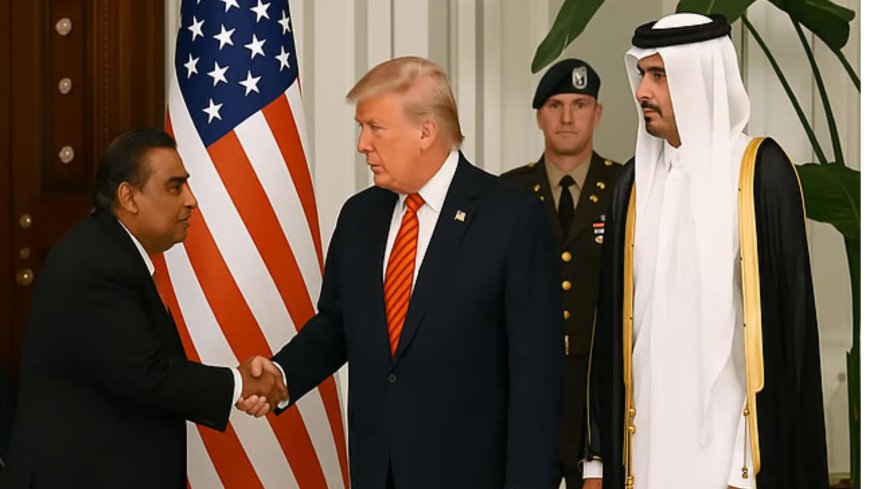
Trump, Ambani, and the Venezuelan Oil That Came Between Them
In a dramatic turn of events that underscores the intricate dance between geopolitics and global commerce, former U.S. President Donald Trump’s aggressive stance on Venezuelan oil exports has placed Indian conglomerate Reliance Industries, led by Mukesh Ambani, in a precarious position. This unfolding saga highlights the complexities of international trade, where political decisions reverberate across continents, affecting economies and corporate strategies alike.
The Genesis of the Conflict
Venezuela, endowed with the world's largest proven oil reserves, has long been a focal point of U.S. foreign policy, especially under the Trump administration. In an effort to undermine President Nicolás Maduro's regime, the U.S. imposed stringent sanctions aimed at crippling Venezuela's oil-dependent economy. These sanctions were designed not only to restrict Venezuela's oil exports but also to deter other nations from engaging in oil trade with Caracas.
Executive Order 14245: A Game-Changer
On March 24, 2025, Trump signed Executive Order 14245, a bold move that extended the reach of U.S. sanctions. This order imposed a 25% tariff on all goods imported into the United States from any country that continued to import Venezuelan oil. The policy, effective from April 2, 2025, was a clear message to global players: engage with Venezuela's oil sector, and face economic repercussions in the U.S. market.
Reliance Industries: Navigating a Tightrope
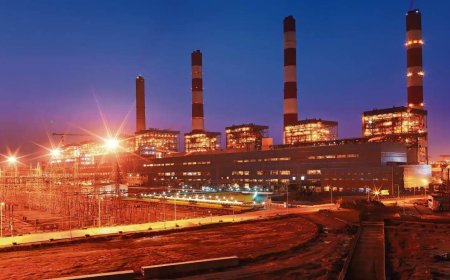
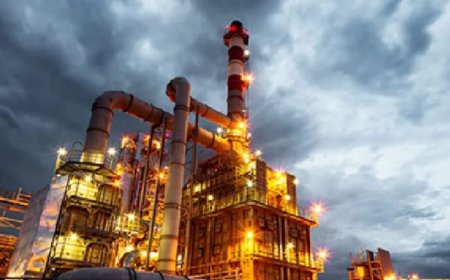
Reliance Industries, India's largest privately-owned refiner, found itself at the heart of this geopolitical storm. Historically, Reliance has been a significant importer of Venezuelan crude, accounting for a substantial portion of India's oil imports from the South American nation. The company's refineries are particularly suited to process Venezuela's heavy crude, making this relationship economically beneficial.
However, the imposition of the 25% tariff presented a dilemma. Continuing to import Venezuelan oil could jeopardize Reliance's extensive business interests in the U.S., while halting imports would disrupt its refining operations and supply chains. Initially, Reliance paused its purchases of Venezuelan crude, awaiting clarity and seeking exemptions from the U.S. Treasury Department.
Diplomatic Maneuvers and Strategic Decisions
In the ensuing months, Reliance engaged in diplomatic efforts to secure waivers, emphasizing its compliance with existing sanctions and its critical role in India's energy security. Reports indicated that the U.S. granted specific licenses to certain companies, allowing limited transactions with Venezuela under strict conditions. Reliance, leveraging its global stature and strategic importance, managed to obtain approval to resume importing Venezuelan oil, albeit under close scrutiny.
Broader Implications for Global Trade
The confrontation between Trump's administration and Reliance Industries underscores the broader challenges multinational corporations face in an era of assertive foreign policies and economic nationalism. The use of secondary sanctions, as exemplified by Executive Order 14245, represents a shift in how economic tools are employed to achieve political objectives, often placing corporations in the crosshairs of international disputes.
For India, the episode highlighted the vulnerabilities in its energy supply chain and the need to diversify its oil import sources. It also prompted discussions on the importance of developing strategic petroleum reserves and investing in alternative energy sources to mitigate such geopolitical risks.
Conclusion
The entanglement of Trump, Ambani, and Venezuelan oil serves as a poignant example of how political decisions can have far-reaching consequences for global commerce. It illustrates the delicate balance corporations must maintain between adhering to international regulations and safeguarding their business interests. As the world becomes increasingly interconnected, the interplay between politics and business will continue to shape the strategies of global enterprises.
What's Your Reaction?
 Like
0
Like
0
 Dislike
0
Dislike
0
 Love
0
Love
0
 Funny
0
Funny
0
 Angry
0
Angry
0
 Sad
0
Sad
0
 Wow
0
Wow
0