











































Xi Jinping Urges European Union to Unite with China Against U.S. Tariffs as Global Trade War Escalates
Chinese President Xi Jinping urges the EU to unite with China against rising U.S. tariffs, as global trade tensions escalate. Discover how this shift could impact the world economy on BizGossips.com.
Xi Jinping’s Bold Diplomatic Message
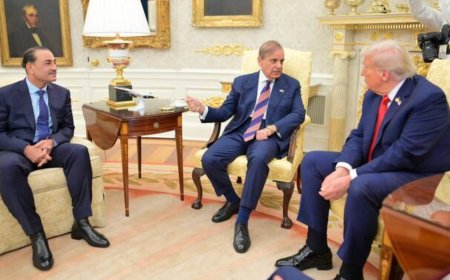
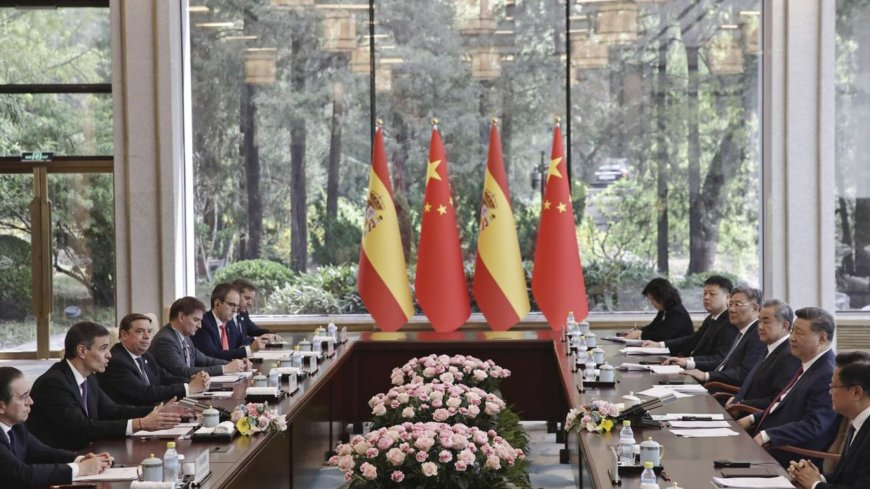
Meeting at the Diaoyutai State Guest House in Beijing, President Xi stressed the importance of a coordinated international response to what China views as aggressive U.S. trade policies. Xi said China and Europe must “fulfil their international responsibilities” and “jointly resist unilateral bullying practices.”
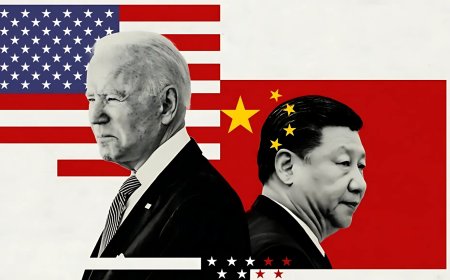
Xi's message is widely seen as a call for a strategic alliance between China and the European bloc, particularly as both regions face the economic consequences of Trump’s increasingly protectionist measures. It’s also a signal that China is prepared to build global coalitions to counterbalance U.S. power in the trade arena.
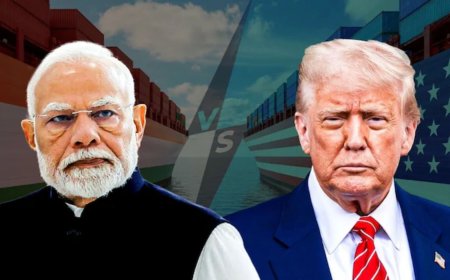
The statement followed a flurry of actions taken by the United States earlier this week, including a dramatic clarification that Chinese imports will now be taxed at a total effective rate of 145%, up from the 125% initially mentioned by President Trump in a Truth Social post.
Why Trump’s Tariff Hike Matters
President Trump’s decision to raise tariffs sharply on Chinese goods is part of his broader “America First” economic strategy, aimed at reducing trade deficits and reviving U.S. manufacturing. However, this latest round of tariffs—far more aggressive than previously forecast—has triggered fears of a full-blown global trade war.
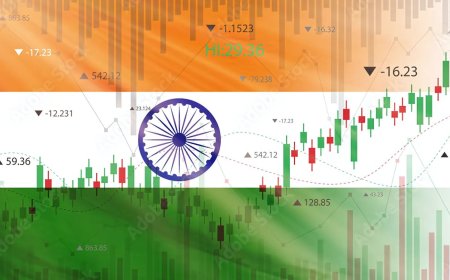
The clarification by the White House that the new total tariff level is 145%, once all previous levies are accounted for, sent shockwaves through global markets. Major Asian stock indices dipped significantly on April 11, with Japan’s Nikkei and Hong Kong’s Hang Seng down more than 2% by mid-day. U.S. markets, too, gave up much of their earlier gains.
European Union Caught in the Crossfire
The European Union now finds itself in a delicate position. While it remains a close ally of the United States on many fronts, Europe also has deep and growing trade ties with China. In 2024, the EU was China’s largest trading partner, and many European nations have welcomed Chinese investments in sectors ranging from infrastructure to green energy.
President Xi’s overture to Europe signals a strategic pivot, as China seeks to draw Europe closer in an effort to form a counterweight to U.S. influence. For Spain, Germany, France, and others, the decision on whether to align more openly with China—or remain neutral—will have long-term implications for trade, diplomacy, and economic growth.
A Growing Risk of Global Recession
The economic consequences of a prolonged U.S.-China trade war are becoming increasingly dire. Already, supply chains are under strain, commodity prices are volatile, and inflationary pressures are building across Asia and Europe. Economists warn that if retaliatory tariffs continue, the global economy could enter a mild to moderate recession by early 2026.
Multinational companies, particularly in electronics, automotive, and consumer goods, are bracing for higher costs and shrinking profit margins. Some are considering relocating production away from China, but viable alternatives with sufficient scale and infrastructure are limited.
What Happens Next?
As leaders from the G20 prepare for their next summit in June, the spotlight is now on how Europe responds to Xi Jinping’s call for unity. Some experts believe this could usher in a new phase of tri-polar economic diplomacy, with China, the U.S., and the EU each pursuing divergent trade and investment paths.
Meanwhile, countries like India, Brazil, and Vietnam could emerge as key players in the realignment of global supply chains, benefiting from companies seeking alternatives to both China and high-cost Western markets.
Final Thoughts
The Xi-Sanchez meeting may have started as a bilateral dialogue, but its implications reach far beyond Spain and China. President Xi’s remarks reflect a broader strategy by China to shift global narratives, position itself as a responsible trade leader, and isolate the U.S. for its increasingly isolationist policies.
As economic nationalism rises and trade alliances are tested, the world is entering a new era of global realignment—with high stakes for business, politics, and the future of globalization itself.
What's Your Reaction?
 Like
1
Like
1
 Dislike
0
Dislike
0
 Love
0
Love
0
 Funny
0
Funny
0
 Angry
0
Angry
0
 Sad
0
Sad
0
 Wow
0
Wow
0