



































































Big GST Shakeup Coming? Government Considers Fewer Slabs, Simpler Rules
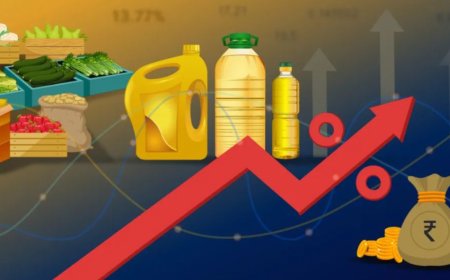
India’s Goods and Services Tax (GST) regime may soon undergo its most significant transformation since its launch in July 2017, as the government reportedly evaluates a proposal to rationalize tax slabs and simplify compliance procedures.
The Proposal: A Simpler, Leaner GST Structure
At the heart of the proposed reform lies a bold move: eliminating the 12% tax slab, which currently covers a substantial portion of goods. The idea is to redistribute these goods into either the 5% or 18% categories, simplifying the tax structure and reducing classification disputes.
Currently, the GST framework includes five principal slabs:
-
Nil
-
5% (covering approximately 21% of goods)
-
12% (19%)
-
18% (44%)
-
28% (3%, largely sin and luxury goods)
Additionally, there are special rates like 0.25% and 3%, applied primarily to precious metals and gems.
Removing the 12% slab could bring clarity, reduce compliance costs, and address a long-standing industry demand for simplification. While final goods reclassification is yet to be confirmed, the shift aims to reduce litigation and improve ease of doing business.
Why Now?
The timing of the proposal reflects a convergence of economic and political readiness:
-
Stable tax revenue and positive macroeconomic indicators offer the fiscal space needed to implement structural changes.
-
Industry bodies and bipartisan pressure have amplified calls for GST rationalisation.
-
With ongoing free trade agreement negotiations with developed economies, a streamlined tax system could enhance India’s trade competitiveness.
Additionally, the government is working on a parallel overhaul of the income tax framework, which may also be tabled during the monsoon session.
Stakeholder Consultations Underway
The Ministry of Finance has initiated inter-ministerial discussions and is preparing to engage with state governments to build the necessary political consensus. Although the ministerial panel on rate rationalisation has made limited headway so far, the broader policy environment now appears conducive for reform.
A separate panel continues to review the compensation cess fund, which is valid until March 2026. This fund, originally created to offset state losses during the early years of GST, is currently used to repay the ₹2.69 lakh crore borrowed by the Centre during the COVID-19 pandemic.
What This Means for Businesses and Consumers
If the proposed changes are implemented, this will mark the first major recalibration of GST since its introduction. A simpler rate structure is expected to:
-
Reduce tax compliance burden for businesses
-
Minimise classification disputes
-
Improve supply chain efficiency
-
Promote better tax understanding among consumers
It could also potentially encourage greater voluntary compliance and help widen the tax base.
Looking Ahead
While the reported developments have not been independently verified by all sources, the momentum toward reform is clearly building. With the monsoon session set to begin soon, stakeholders across industry and policy will be watching closely.
A more rational and efficient GST structure could reinforce India’s trajectory toward becoming a more business-friendly economy, while also aligning its tax system with global best practices.
What's Your Reaction?
 Like
0
Like
0
 Dislike
0
Dislike
0
 Love
0
Love
0
 Funny
0
Funny
0
 Angry
0
Angry
0
 Sad
0
Sad
0
 Wow
0
Wow
0