
























































Trump Proposes 10–15% Global Tariff Rates for Over 150 Countries: What It Means for Global Trade
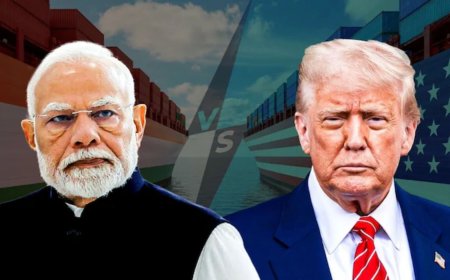
Donald Trump plans to impose 10–15% tariffs on over 150 countries by August 1, calling it a major trade shift. Each country will get a payment notice, sparking global market concerns.
A Shift Toward Uniform Global Tariffs
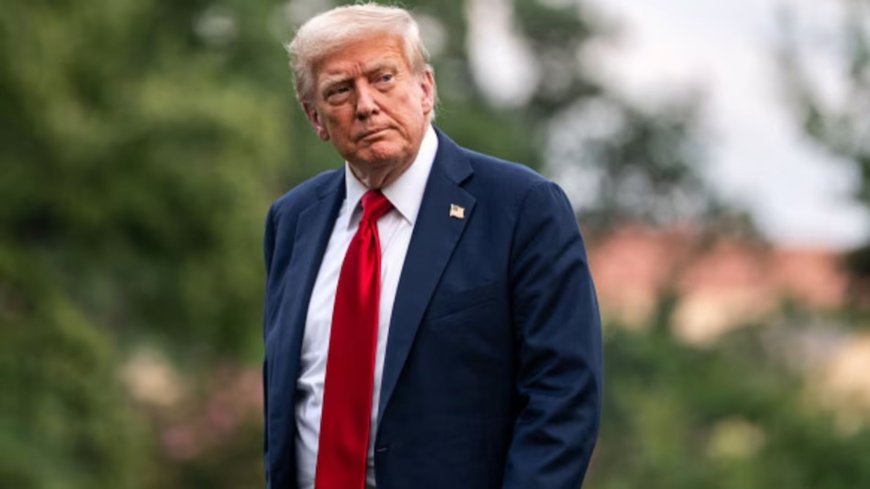
The announcement is part of a broader strategy aimed at reshaping U.S. trade dynamics by enforcing standardized tariff policies. According to sources close to the former administration, this tactic is intended to pressure foreign governments into renegotiating trade terms more favorable to the United States.
Trump, however, downplayed the importance of individual trade deals. “We could make a deal possibly with Europe. You know, it’s, I’m very indifferent to it,” he said. This indifference signals a pivot away from active bilateral trade negotiations to a more unilateral tariff-centric approach.
Notification Letters and the August 1 Deadline
Countries will receive formal notices of payment, effectively informing them of the new tariff obligations. These letters are being positioned as offers or starting points for renegotiation. Despite the implied possibility of discussions, Trump has emphasized that the tariffs themselves represent the core of the new policy, rather than the pursuit of traditional trade agreements.
Originally scheduled to begin on July 9, the implementation has been delayed to August 1, allowing more time for administrative coordination and international responses.
Implications for the Global Market and Major Economies
The announcement has added a layer of uncertainty to global markets, especially among nations with significant exports to the United States. In particular, the European Union—which had been pursuing tentative trade agreements with the U.S.—has been caught off guard. With Trump's comments suggesting minimal urgency in finalizing deals, the EU may face significant disruption.
One of the more notable tariff actions involves Canada, which faces a proposed 35 percent tariff on selected goods. This figure stands apart from the uniform 10–15 percent range and highlights the U.S.’s growing willingness to enforce higher duties on even close trading partners. Trump commented that it is still “too soon to say” how these tariffs will ultimately impact Canada.
A Strategic Gamble in Global Trade Relations
The proposed global tariff plan reflects a dramatic evolution of Trump's economic policies. While his earlier administration expressed an intent to use tariffs as leverage for securing beneficial trade agreements, the new approach treats tariffs as standalone instruments of economic pressure.
By extending this policy to over 150 countries, the initiative represents one of the most sweeping tariff measures proposed in modern U.S. history. Critics argue it could strain diplomatic relations, disrupt supply chains, and invite retaliatory measures from affected nations. Supporters, on the other hand, see it as a bold tactic to revitalize American manufacturing and reduce dependency on foreign imports.
What Comes Next
As the August 1 deadline nears, diplomatic channels are expected to be active, with countries scrambling to seek clarification, negotiate exemptions, or prepare retaliatory responses. Meanwhile, global investors and multinational corporations are watching closely, given the potential ripple effects across international trade, pricing, and supply chains.
Whether this policy results in a wave of new trade deals or escalates into broader trade tensions remains to be seen. What is clear, however, is that Trump’s latest move signals a determined push to reframe the global trade landscape on U.S. terms—starting with tariffs as the opening salvo.
What's Your Reaction?
 Like
0
Like
0
 Dislike
0
Dislike
0
 Love
0
Love
0
 Funny
0
Funny
0
 Angry
0
Angry
0
 Sad
0
Sad
0
 Wow
0
Wow
0