






























Trump’s Revised Tariffs Reshape Global Trade: India Faces 25%, Pakistan Sees Relief
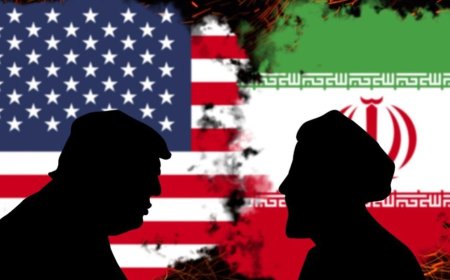
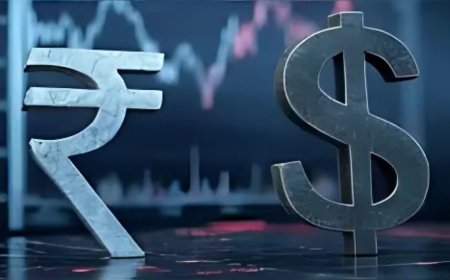
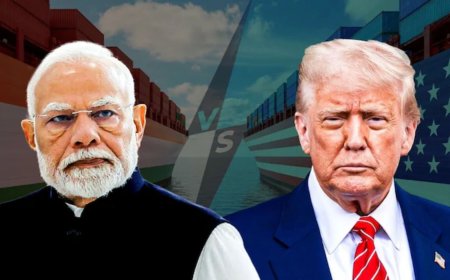
U.S.-India trade talks broke down over agriculture and Russian oil imports, triggering political backlash in India and a minor rupee decline.
Key Tariff Changes
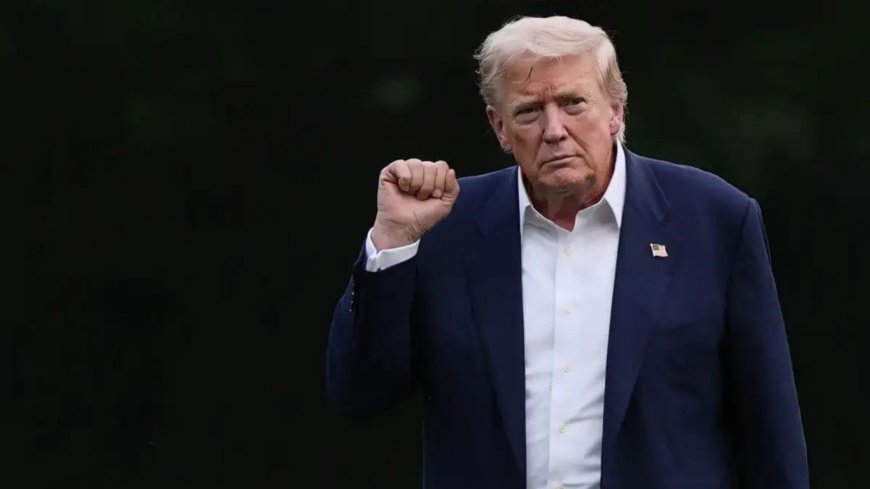
The order outlines varying tariff rates across the globe:
-
Brazil: Hit with the steepest hike at 50%, amid political tensions tied to former Brazilian President Jair Bolsonaro’s legal troubles.
-
Syria: Faces 41% duties.
-
Canada: Tariff on fentanyl-related imports raised to 35%.
-
South Korea: Tariff revised downward to 15% from a proposed 25%, following a $350 billion U.S. investment pledge.
-
Switzerland: Slapped with a 39% tariff.
-
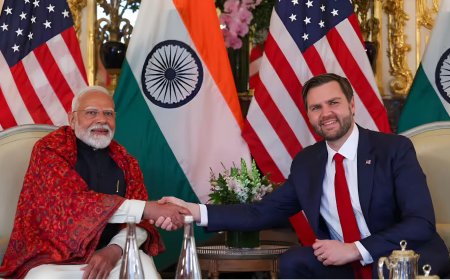
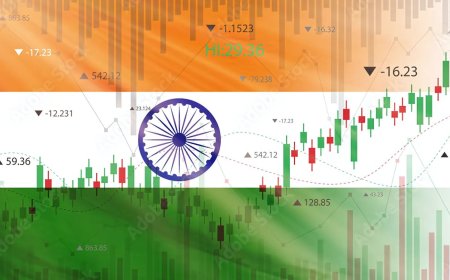
India: Tariff held steady at 25%, with ongoing tensions over agricultural access and Russian oil imports.
Most other nations not explicitly listed will face a flat 10% tariff.
India’s Stalemate and Diplomatic Strain
Talks between Washington and New Delhi have stalled over India’s reluctance to open up its agricultural sector, a longstanding point of contention. The U.S. has also signaled discomfort over India's continued imports of Russian oil. The executive order notes that some countries “have offered terms that... do not sufficiently address imbalances” or align with U.S. national and economic interests.
This development has sparked domestic political backlash in India, with opposition parties criticising the government’s inability to safeguard key export sectors. The announcement also impacted the Indian rupee, which saw a slight dip in value amid investor concerns.
Regional Implications
Pakistan: A Strategic Pivot
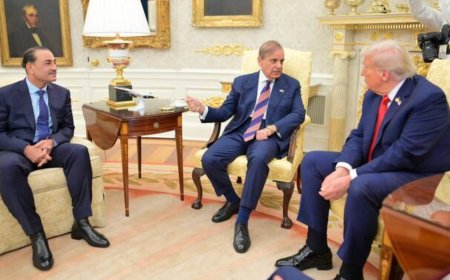
Pakistan stands to gain modestly with its tariff rate being cut by 10 percentage points. This change may be an incentive to strengthen trade cooperation, though the rationale behind the relief was not detailed in the executive order.
Canada and Mexico: Contrasting Treatment
While Mexico received a 90-day reprieve from impending 30% tariffs—especially on non-automotive goods—Canada has been penalised with increased duties. Trump's administration accused Canada of failing to curtail the flow of fentanyl into the U.S., prompting the tariff spike.
Despite both countries being key North American partners under the USMCA agreement, these divergent policies underscore the transactional nature of Trump’s trade doctrine.
China and the Global Trade Outlook
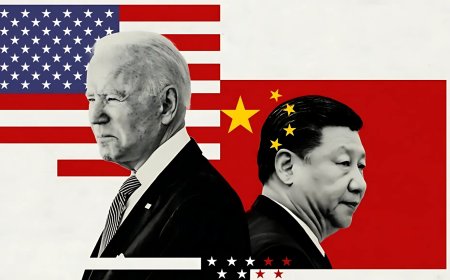
The U.S.–China trade tensions remain unresolved. Beijing faces an August 12 deadline to finalize a lasting agreement. Failure to do so could rekindle a full-scale trade war, potentially disrupting global supply chains and further weakening international economic confidence.
New Trade Equation: Winners and Losers
Countries Benefitting from Relief or Low Rates:
-
Pakistan (19%)
-
Mexico (temporary reprieve)
-
EU Goods with Low Column 1 Duty Rates
-
South Korea (15% negotiated rate)
Countries Facing Significant Increases:
-
Brazil (50%)
-
Syria (41%)
-
Switzerland (39%)
-
Serbia (35%)
-
India (25%, unchanged but relatively high)
Conclusion
Trump’s latest tariff reshuffle reflects a determined push for economic nationalism and “America First” policies. For India, the decision to maintain a 25% tariff serves as a stark reminder of the delicate balance between national interest and global trade diplomacy.
As trade talks continue behind closed doors, countries impacted by the revised tariffs will need to reassess their strategies—not only to navigate current barriers but also to secure more favourable terms in future negotiations.
What's Your Reaction?
 Like
0
Like
0
 Dislike
0
Dislike
0
 Love
0
Love
0
 Funny
0
Funny
0
 Angry
0
Angry
0
 Sad
0
Sad
0
 Wow
0
Wow
0